Salonga National Park continues its transformation. The progress achieved in 2026 through the partnership between the Congolese Institute for Nature Conservation (ICCN) and WWF reflects a conservation model that combines biodiversity protection, strengthened governance, and local development.
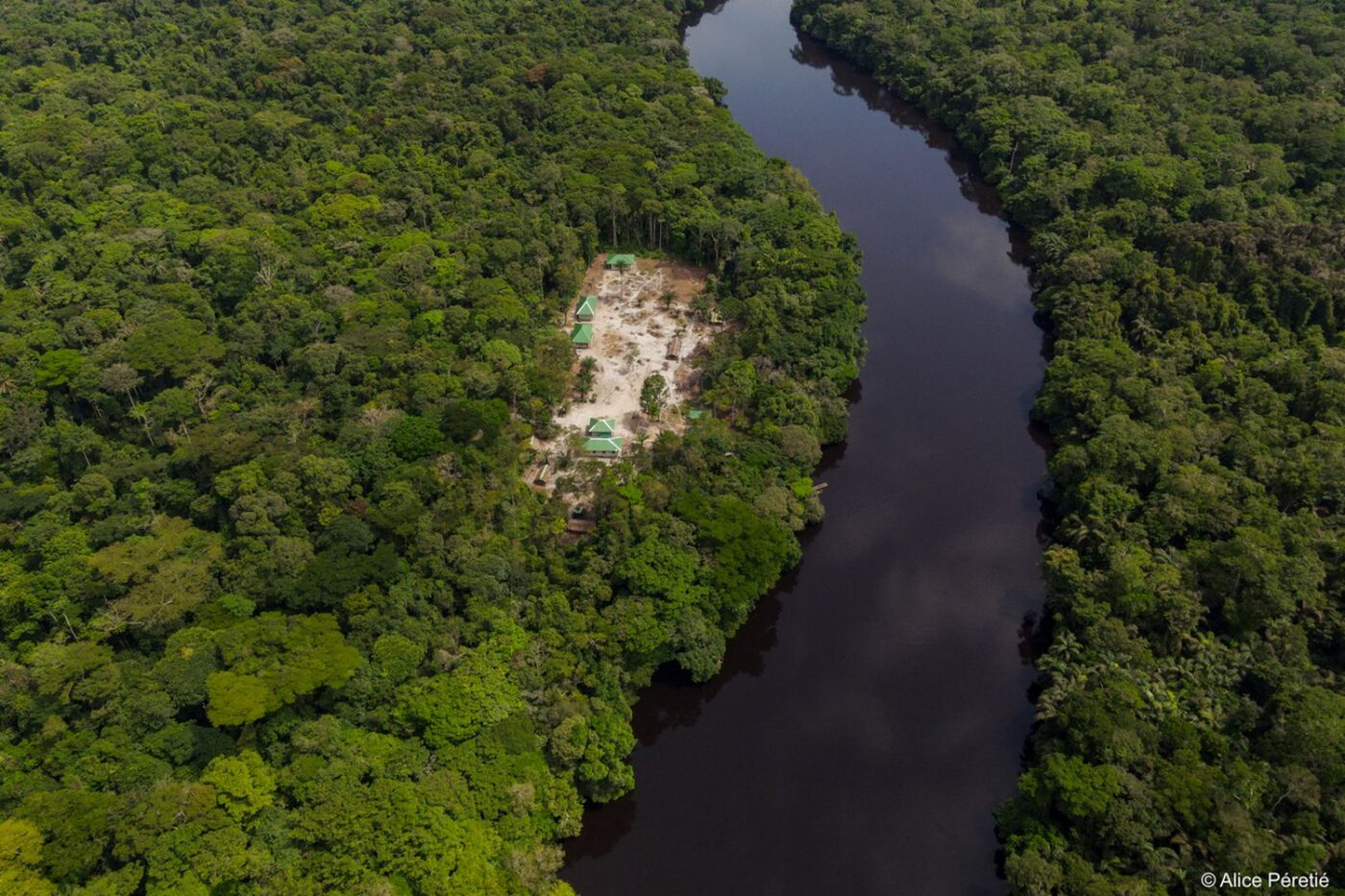
Salonga National Park is steadily advancing its transformation. As Africa’s largest tropical rainforest national park, it is strengthening its management capacity, modernizing its infrastructure, preparing for the future of sustainable tourism, and expanding initiatives that support local communities.
The achievements recorded in 2026 are part of a long-term process launched several years ago to strengthen the conservation of this exceptional site in the Congo Basin, improve its governance, and create opportunities for communities living around the park.
The co-management partnership between the Congolese Institute for Nature Conservation (ICCN) and WWF pursues a clear objective: to establish Salonga as a protected area that meets the highest international standards while demonstrating that conservation can also drive development for the people who live alongside the park.
Managing Better to Protect Better
Perhaps the most significant development is not the new infrastructure but the way the park is managed.
This year, Salonga further improved its IMET score, the international tool used to assess the management effectiveness of protected areas. With a score of 64.35%, up from 63.22% during the previous assessment, the park has maintained its position within the category of sites recognized as being effectively managed at the international level.
This result represents much more than a statistical increase. It reflects stronger organizational performance, improved planning, more structured decision-making, and greater autonomy for field teams. In a protected area covering more than 36,000 square kilometers, where missions can take several days to complete, this progress is a critical lever for achieving lasting conservation outcomes.
The objective is now clearly defined: to continue this positive trajectory and position Salonga among Africa’s best-managed protected areas.
When Logistics Become a Conservation Tool
Protecting a territory of this scale requires resources capable of meeting significant challenges.
For many years, vast distances, poor road conditions, and the isolation of remote sectors constrained operational capacity. Today, that logistical landscape is changing rapidly.
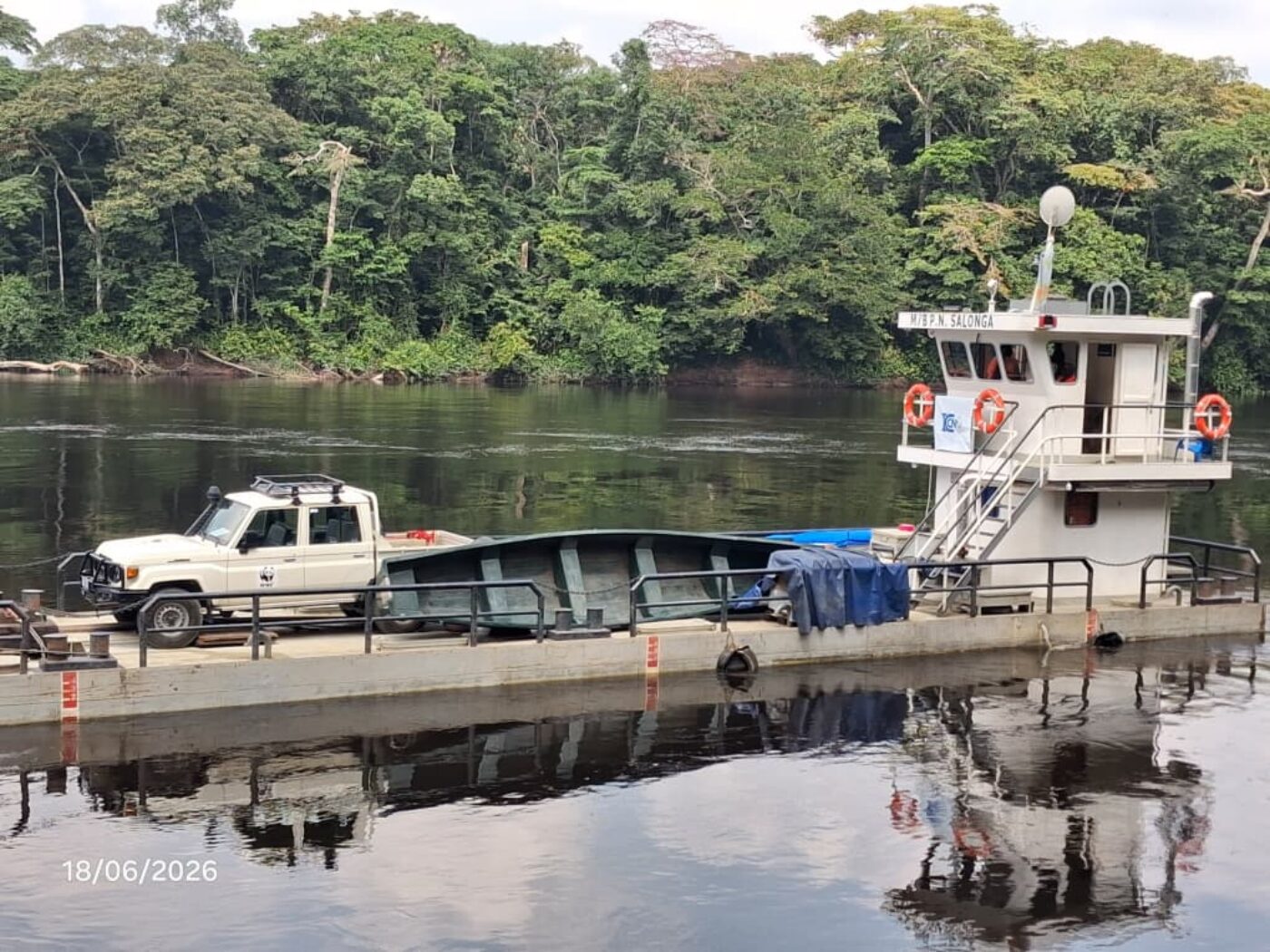
Along the rivers, which serve as Salonga’s natural highways, a first barge is already transporting heavy equipment, while a second one will soon further strengthen this capacity.
New motorized canoes, motorcycles, a four-wheel-drive vehicle, a tractor, and enhanced maintenance of outboard engines are gradually completing a logistics system specifically designed to address field realities.
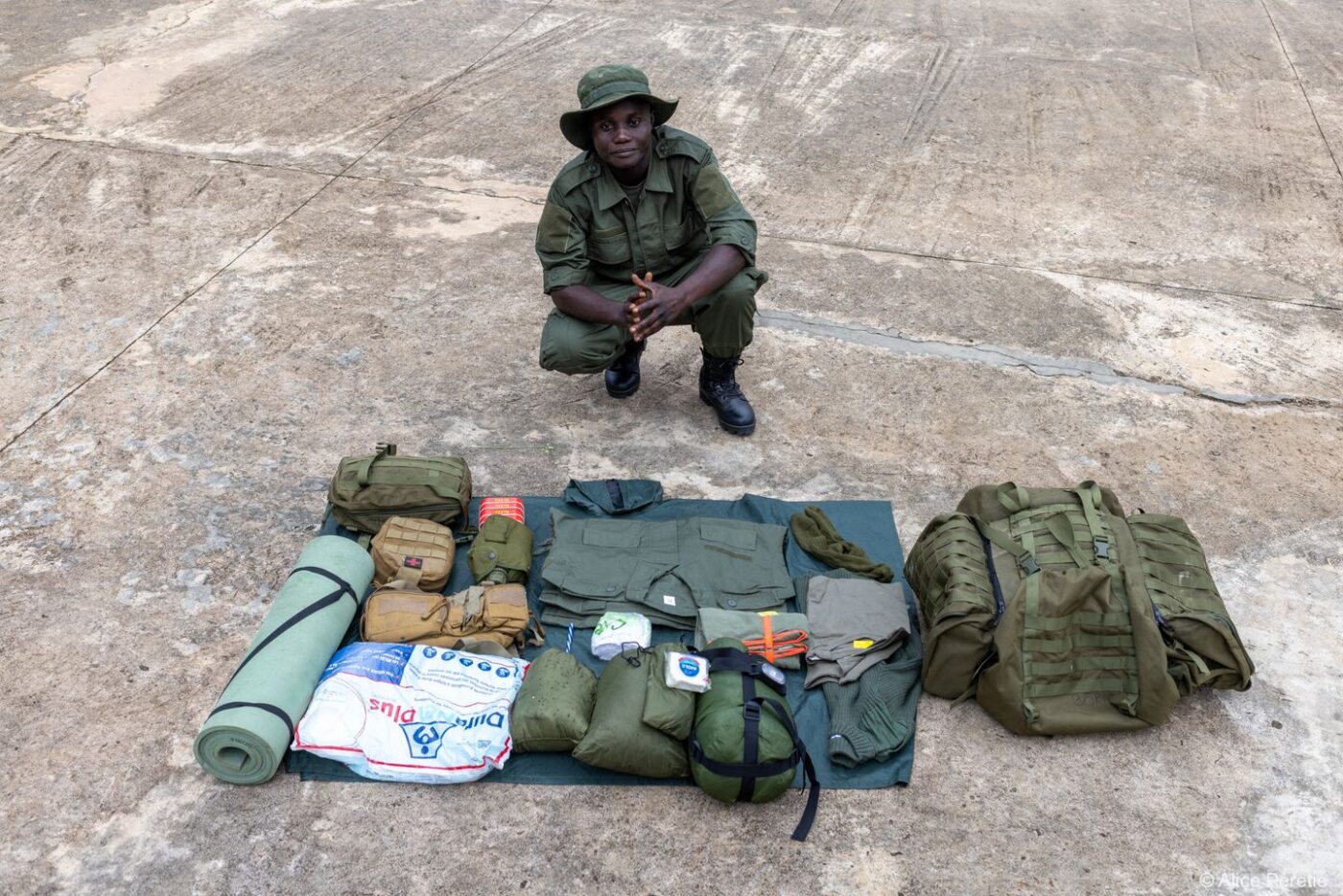
These investments are not remarkable solely because of their scale. They are transforming the way eco-guards operate, reducing response times, and improving the supply of remote field stations.
Building Tomorrow’s Park Today
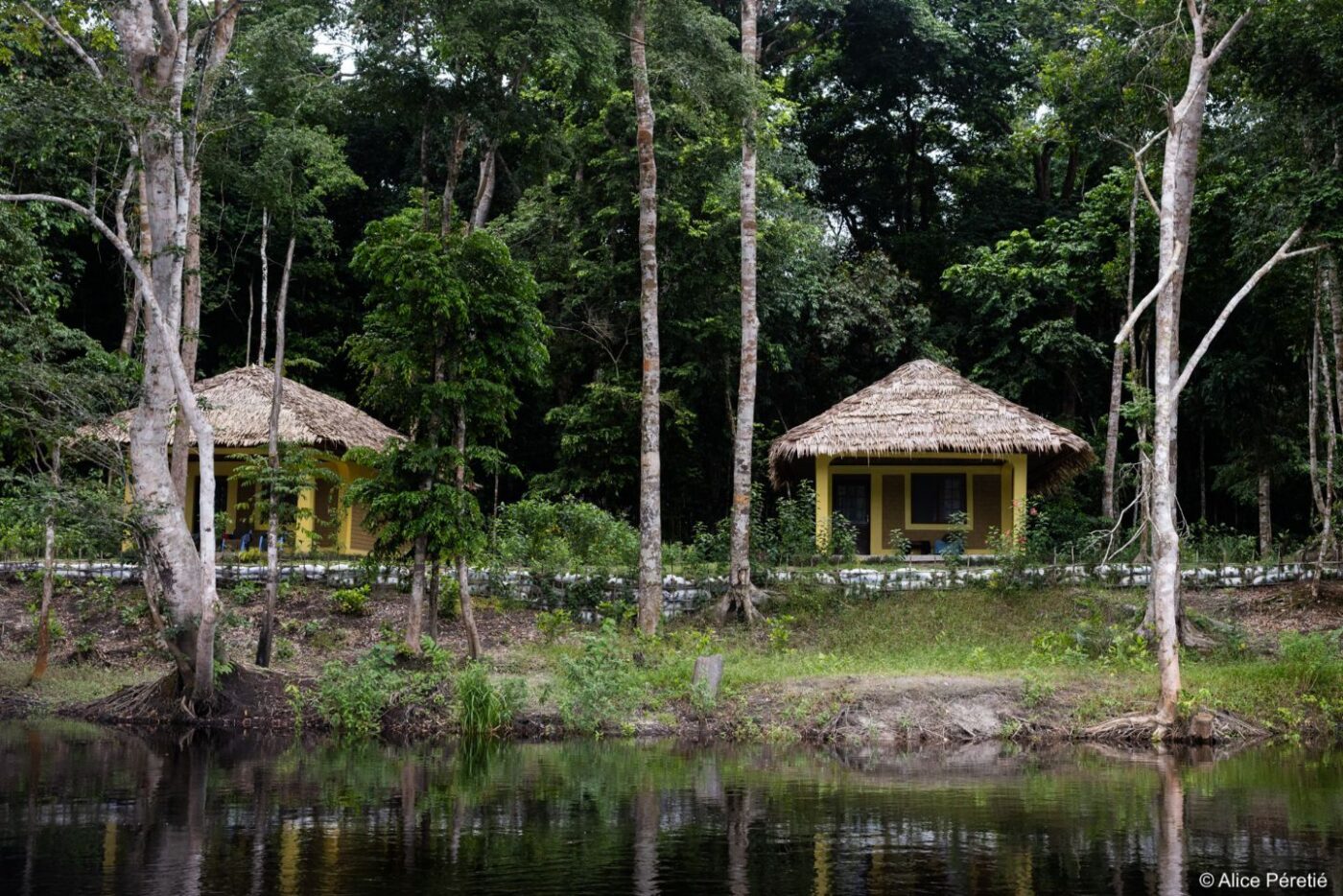
Across the park, new infrastructure is steadily taking shape.
In Yokelelu, new housing facilities are improving living conditions for staff. An eco-guard camp is taking shape, while additional accommodation remains under construction.
In Monkoto, access to safe drinking water is becoming a reality through a newly established water supply system. Meanwhile, future solar power installations in Monkoto and Yokelelu signal a transition toward more reliable and sustainable energy sources.
In Bekongo, a training center will soon strengthen the capacities of eco-guards, while a new command center will improve coordination of operations throughout the park.
These developments are complemented by the completion of a second bridge, a new logistics warehouse, and several administrative buildings that progressively reinforce Salonga’s operational capacity.
Individually, each of these investments addresses a specific need. Together, they are shaping a better-equipped, more resilient park that is increasingly prepared for future challenges.
Bonobos Paving the Way for Sustainable Tourism
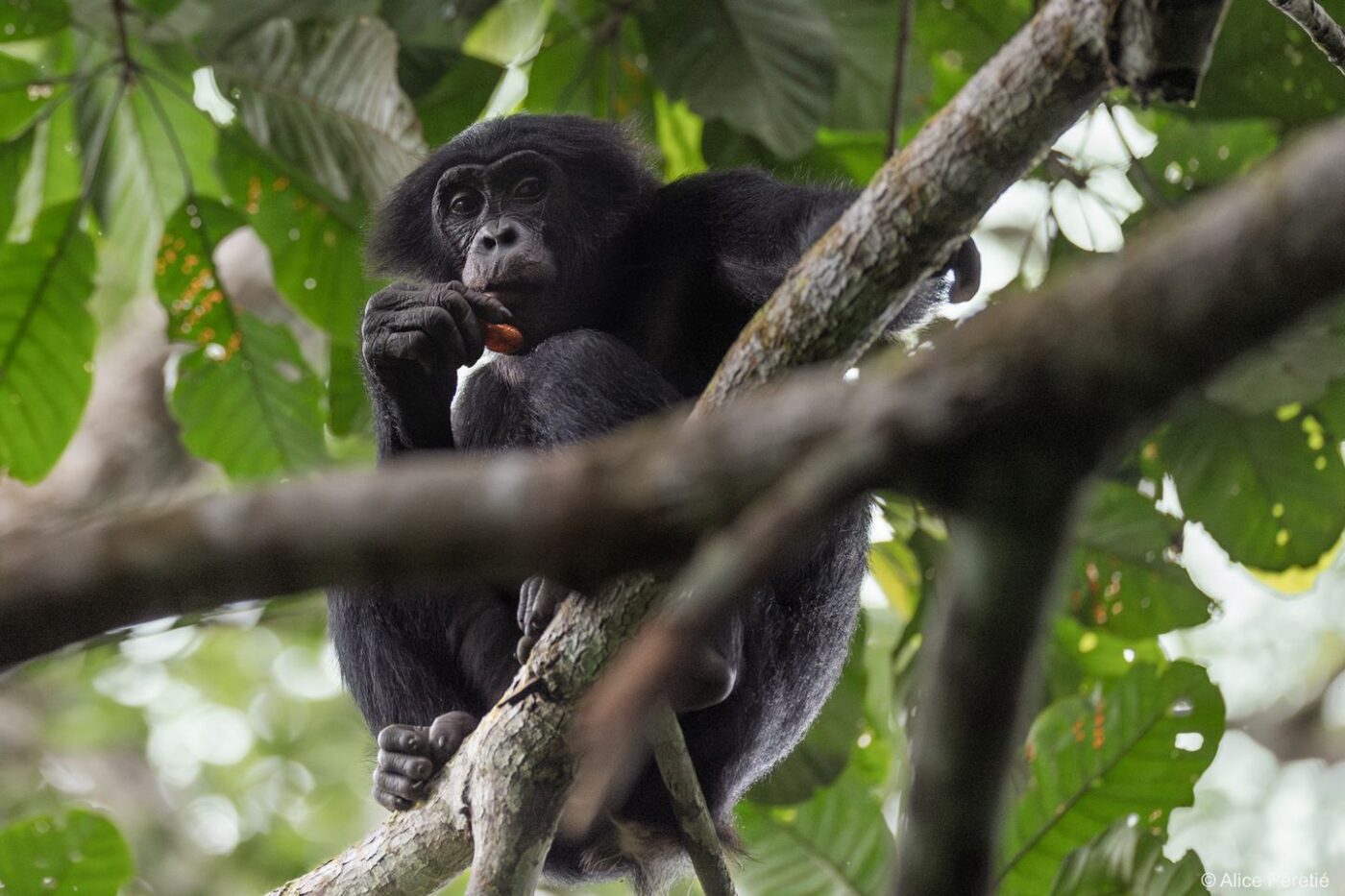
Deep within the forest, another long-term endeavor is progressing patiently.
Every day, teams continue the delicate process of bonobo habituation, a necessary step toward enabling visitors to observe these great apes while fully respecting their natural behavior.
This long-term effort forms the foundation of Salonga’s future ecotourism program.
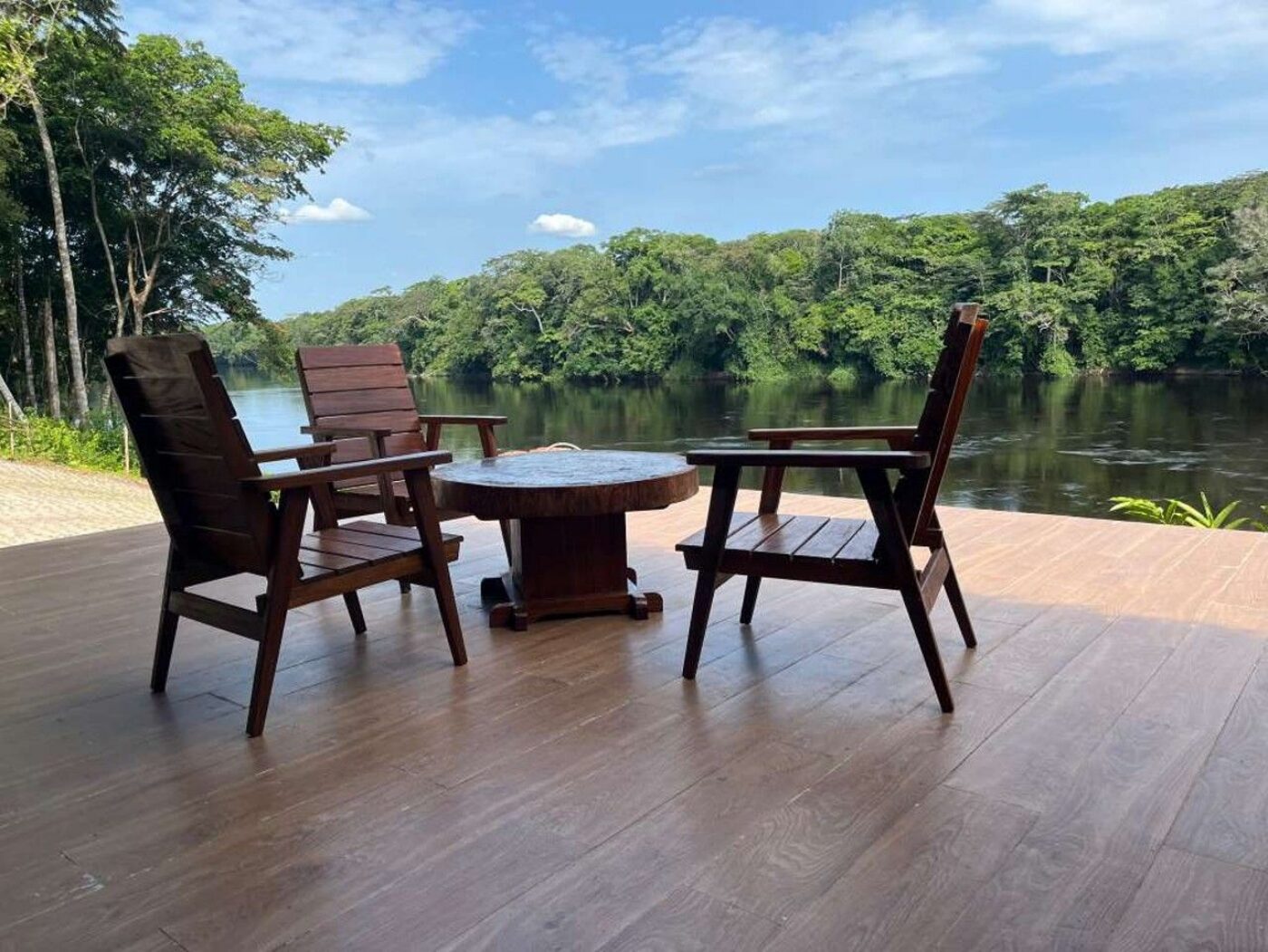
The ten bungalows and restaurant at the Elia Lodge in Yokelelu have now been completed. The equipment required for the lodge’s operation is already on site, and the recruitment of future local staff has been finalized. At the same time, teams are identifying visitor experiences that can be offered, with the ambition of providing an authentic immersion into one of the planet’s last great intact tropical forests.
Beyond tourism, Salonga is also reaching new audiences through culture. An exhibition of paintings inspired by the park, first presented in Kinshasa and later displayed in Brussels, is helping introduce this protected area to an ever-wider public.
When Conservation Also Improves Daily Life
The success of a protected area cannot be measured solely by the condition of its biodiversity. It also depends on the quality of its relationship with neighboring communities.
At Salonga, this principle is reflected in tangible investments.
Local roads have been rehabilitated to facilitate travel and improve access to markets. Two new concrete bridges now connect Botsima and Bokela, significantly enhancing mobility in this part of the landscape.
Agriculture is also receiving sustained support. Cassava and maize processing centers are now operational, while storage facilities equipped with modern rice hullers enable producers to add greater value to their harvests.
In Dekese, 160 training fields help promote improved agricultural practices. Producers receive seeds, tools, training, and technical support for both cocoa and coffee value chains.
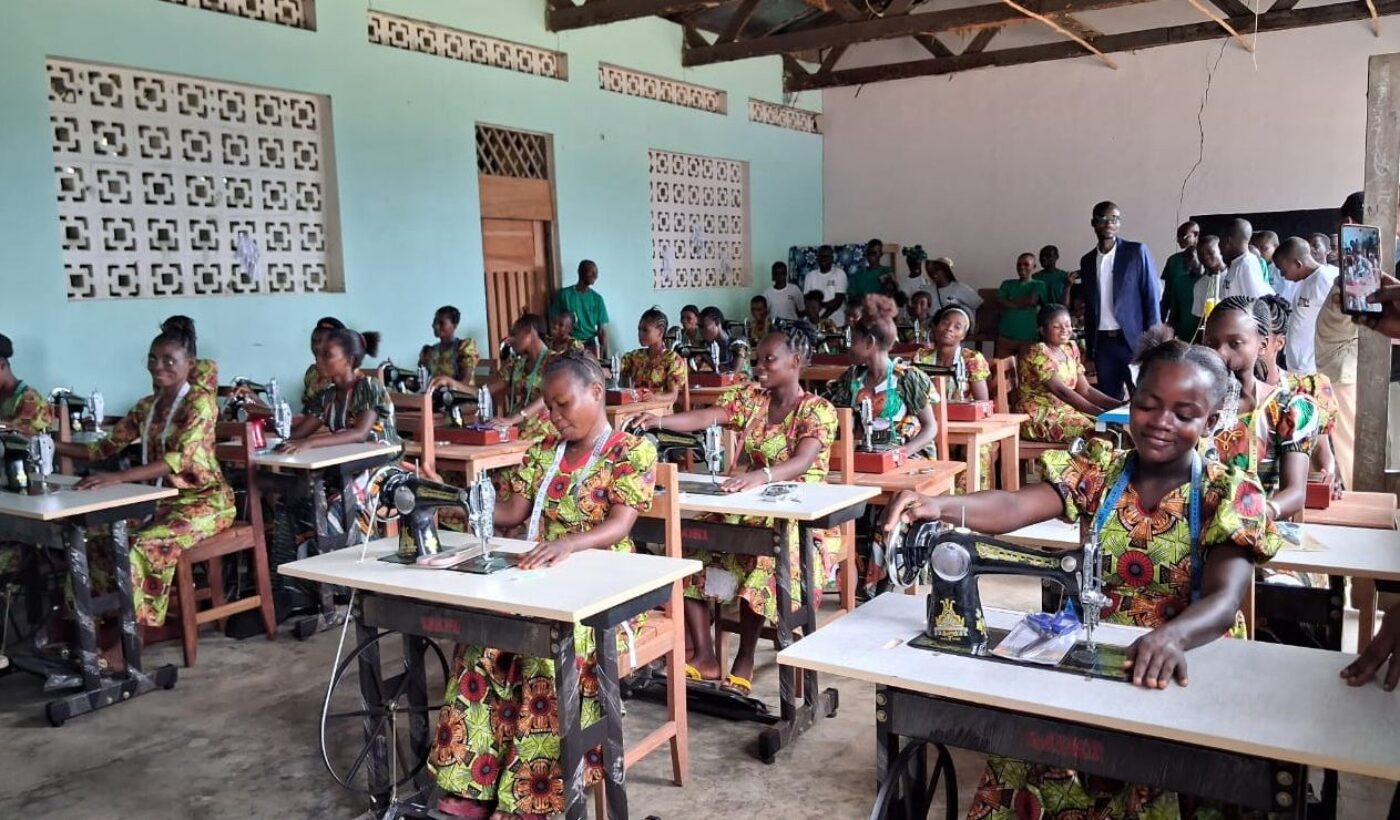
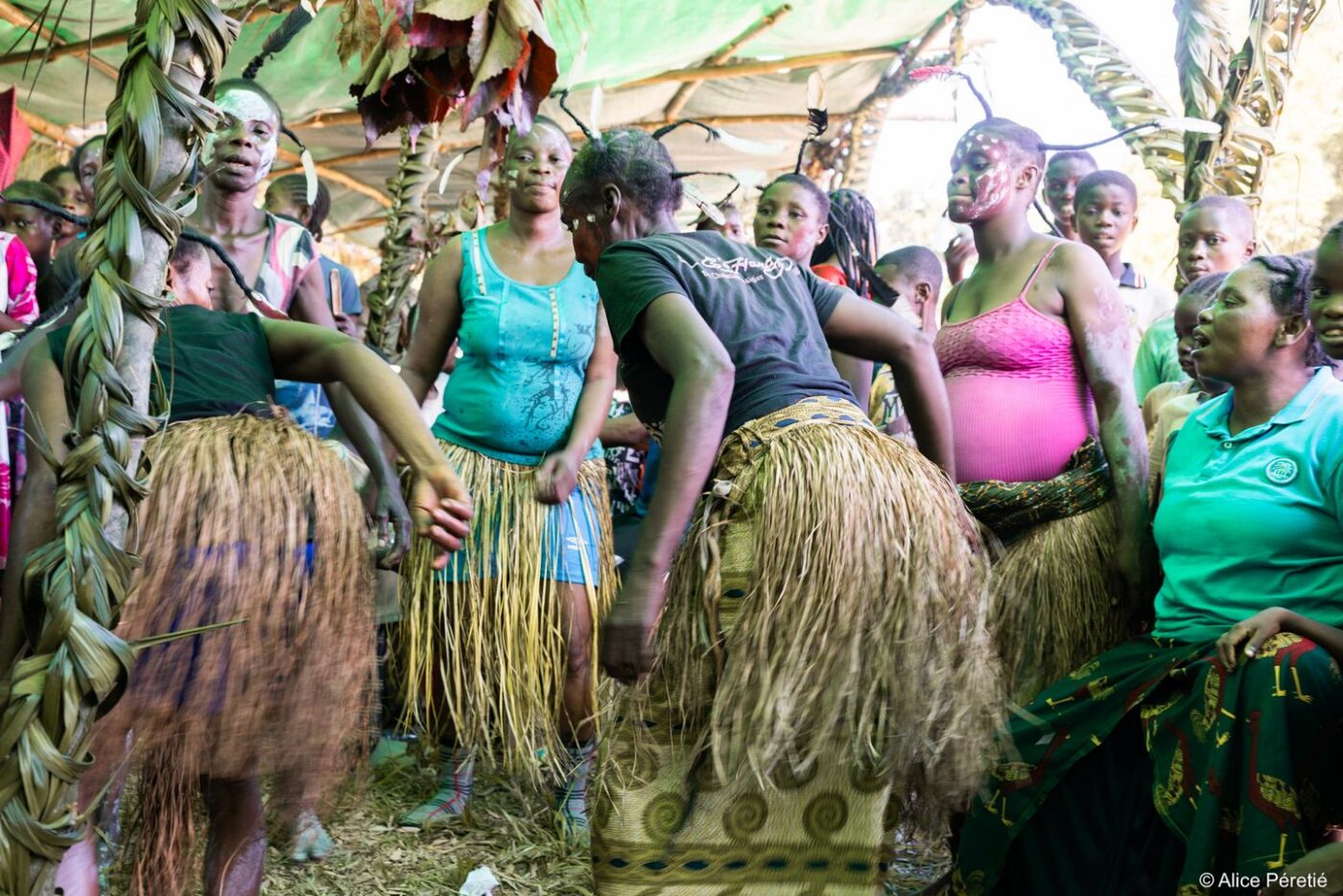
Women are among the primary beneficiaries of these efforts. In Bokela, thirty-five young mothers are currently enrolled in tailoring and sewing training programs that open new professional opportunities. In Monkoto, women’s associations are expanding vegetable production through the distribution of seeds and farming equipment.
Fisherfolk are strengthening their livelihoods through new fishing inputs, beekeepers are increasing production, and livestock farmers are benefiting from improved pig breeds.
Village Savings and Loan Associations (VSLAs) are also continuing to grow. Twenty-five groups are now active in Dekese and have already mobilized average savings of more than US$1,800, demonstrating the increasing strength and resilience of local economic initiatives.
A Protected Forest, A Shared Future
The results achieved this year in Salonga tell a story far greater than a list of accomplishments.
They reflect a vision of conservation in which protecting biodiversity does not mean isolating nature from people, but rather investing in stronger institutions, sustainable infrastructure, better-prepared teams, and communities that play an active role in managing their natural heritage.
At a time when the forests of the Congo Basin play a crucial role in addressing climate change and safeguarding global biodiversity, every bridge built, every eco-guard trained, every farmer supported, and every bonobo habituated contributes to the same story: that of a park investing in the long-term protection of a natural heritage of global significance while creating new opportunities for the people who live at its doorstep.
As Park Director Luis Arranz notes:
“Every achievement matters, but it is the way they complement that makes the difference. Our goal is to build, over time, a park capable of protecting its natural heritage sustainably while creating opportunities for neighboring communities.”
In Salonga, conservation is no longer only about protecting nature. Step by step, it is creating the conditions for a shared future between people and the forest.